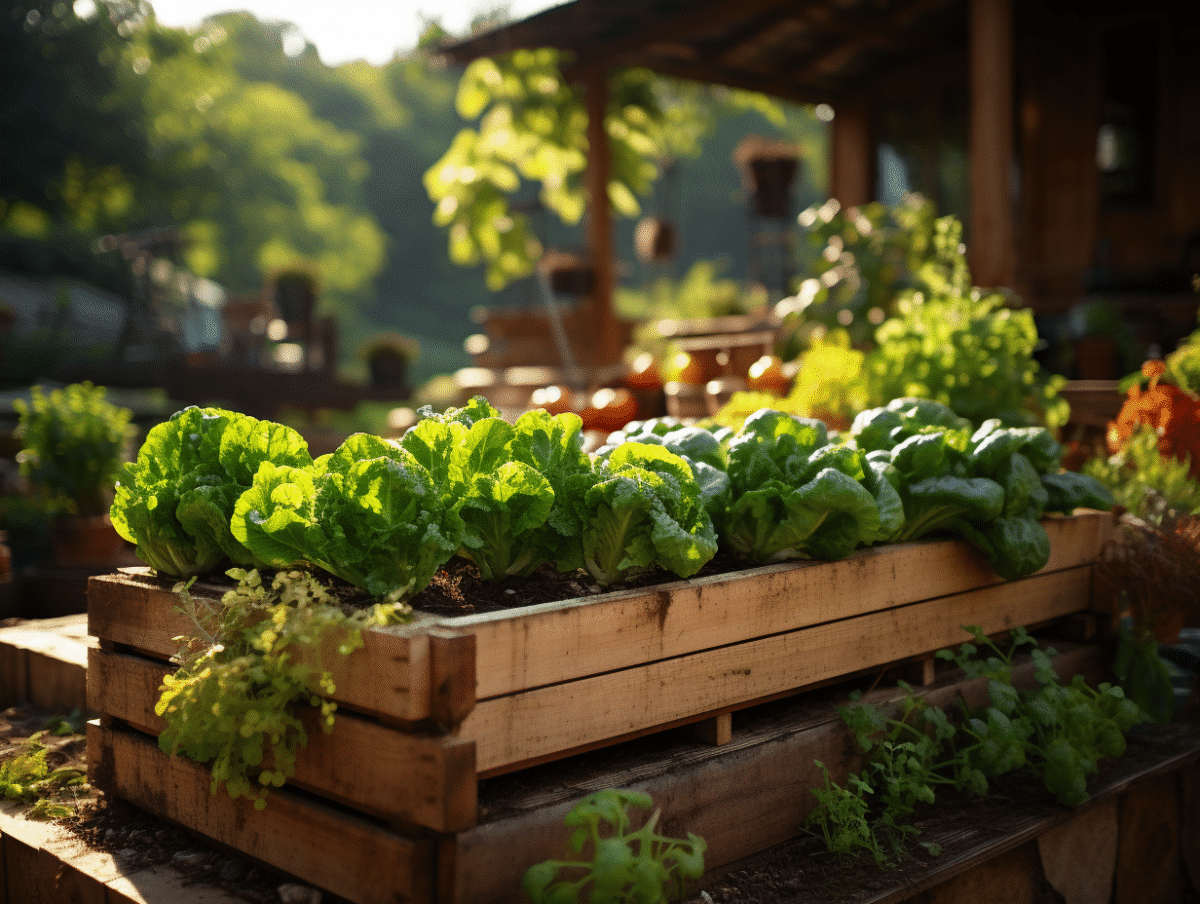
Growing your own vegetable garden at home is a practice that is increasingly appealing to those concerned about their diet and the environment. Whether on a balcony in the city or in a garden in the countryside, it is possible to grow a variety of vegetables and herbs. However, this activity requires some knowledge and good preparation. To ensure a bountiful and healthy harvest, be sure to follow sound advice on plant selection, soil quality, sun exposure, and cultivation techniques suited to different types of plants.
The essential steps to start your vegetable garden
Loosening and weeding the soil is the first action to take when creating a vegetable garden. This preparatory phase is crucial. A well-worked soil, free of weeds, ensures better root establishment and promotes plant growth. Use a spade or a garden fork to turn the soil to a depth of about twenty centimeters. Don’t hesitate to use special containers for vegetable gardens which, in addition to facilitating crop separation, greatly simplify maintenance.
For your vegetable garden to be successful, the choice of seeds or plants is critical. Select varieties suited to the specifics of your region and the season. The planting period must be strictly adhered to in order to ensure germination and growth of the crops. Seed packets provide the necessary information regarding sowing and harvesting times.
An easy vegetable garden also requires adequate exposure. The golden rule: a minimum of 6 hours of sunlight per day. Light is the driving force of photosynthesis and contributes to the vigor of plants. Be sure to plan the location of each crop according to its specific sunlight needs.
A good garden plan is essential for organizing space and optimizing production. Incorporate crop rotation into your plans to prevent soil depletion and the spread of plant-specific diseases. The tips for designing a productive vegetable garden space also include selecting suitable gardening tools: spade, rake, hoe, sprayer, watering can, pruner, not to mention the essential hand tools.
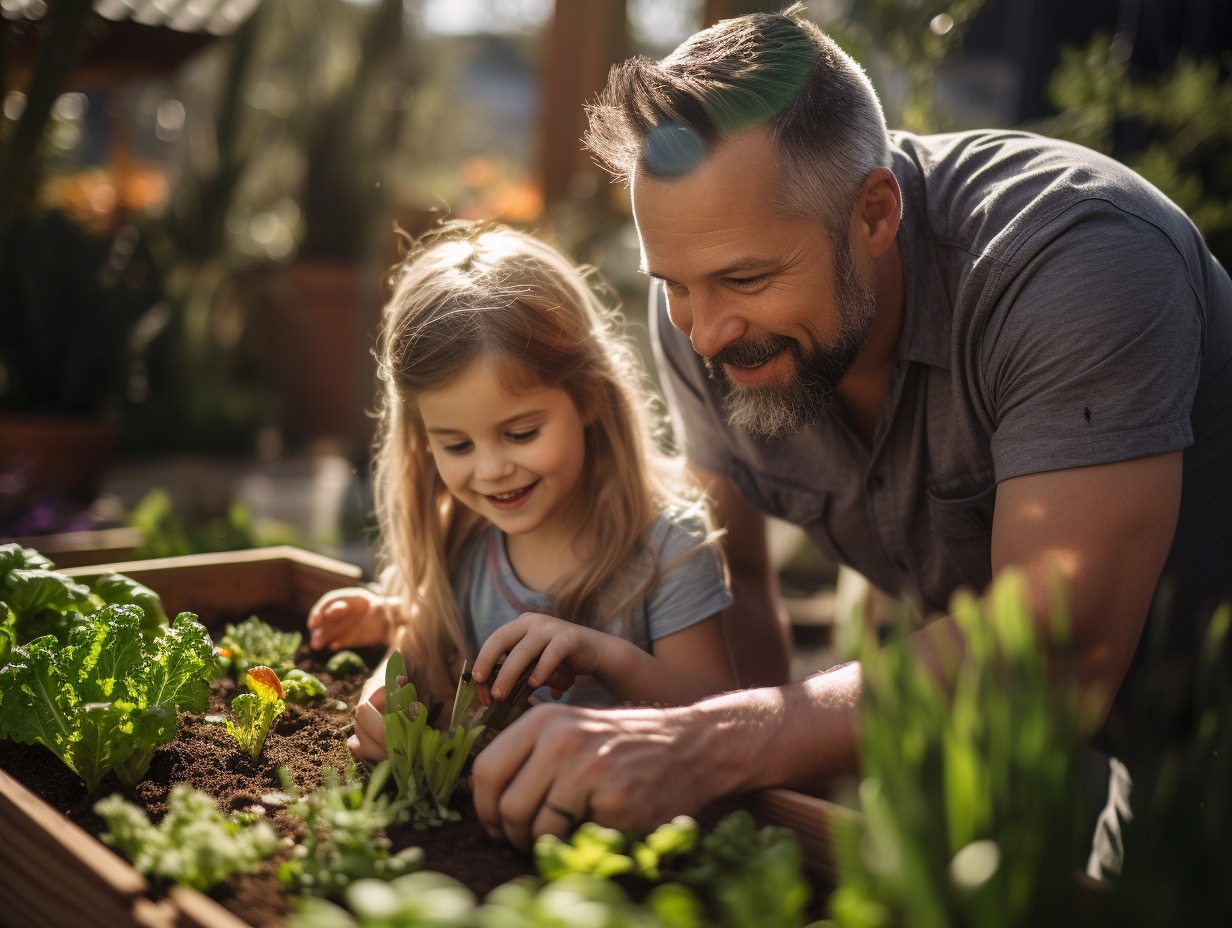
Tips and techniques for maintaining and maximizing your harvest
Crop rotation is an essential strategy for maintaining fertile soil and keeping plant-specific diseases at bay. Specifically, this means avoiding planting the same vegetables or those from the same botanical family in the same spot year after year. Divide your vegetable garden into sections and plan a rotation over three or four years. This method reduces the spread of specific diseases and limits the depletion of essential nutrients.
Pre-sowing is an advantageous technique to save time and get ahead of the season. Start your sowing indoors or in a warm greenhouse. This practice offers better control over germination conditions and ensures initial growth in a protected environment. Once the seedlings are robust enough, they can be transplanted into your vegetable garden after the last frosts for the more sensitive species.
Choose varieties suited to your region and the sowing calendar. Each vegetable has specific requirements in terms of temperature and growth duration. Seed packets provide the necessary indications for optimal planting times. Follow these recommendations to ensure good germination and ideal development of your vegetables, whether they are potatoes, root vegetables, or leafy greens.