
Composting does not always replace good mulching, even in clay soil. Watering in the evening sometimes promotes diseases, depending on the nighttime humidity level. Planting too early, even with early varieties, often exposes crops to compromise.
Crop rotation does not systematically guarantee the absence of pests. Some perennial plants improve soil fertility without fertilizers, but their slow growth does not provide immediate results. Adopting suitable practices avoids many disappointments, regardless of the climate.
The keys to a vibrant and flourishing garden all year round
Imagining a thriving garden means accepting the complexity of life: everything relies on the coherence of actions, the accuracy of choices, and the attention given to both soil and plants. Nothing replaces regular observation and maintenance adjusted to the season. It is by considering the light, the type of soil, and the nature of each space that one installs fruit trees, hedges, or flower beds. Where the sun beats down relentlessly, robust varieties are favored; in the shade, ferns and hostas thrive effortlessly.
The soil becomes a valuable ally when compost, manure, or natural fertilizers are added. Carefully spread mulch limits water loss, insulates against frost, and slows the spread of unwanted weeds. Watering, always adapted to the weather and the species, remains the key to controlled growth. Do not neglect your tools: well-maintained, cleaned, and properly stored, they accompany you for a long time and preserve the health of the plants.
The organization of space brings the garden to life. A well-thought-out hedge protects from the wind, welcomes birds and insects, and structures the whole. Natural allies, like ladybugs, contribute to the balance by limiting pests. Diversifying plantings, installing insect shelters, and practicing thoughtful crop rotation strengthen the garden’s resilience. To go further in maintenance or discover practical tips, feel free to consult learn more on Jardiniers info.
How to adapt your actions to the rhythm of the seasons?
The seasons impose their tempo on every gardener’s action, who adjusts their calendar to the needs of life. Winter invites preparation for the future: pruning fruit trees, early sowing in shelter, protecting sensitive species under cover or in a greenhouse. The tools, refurbished, are used to clean, maintain, and anticipate the spring revival. As for the lawn, it benefits from the cold pause to be scarified or amended, in order to welcome spring beautifully.
The return of sunny days awakens the earth. We sow, we plant, we aerate. Sowing is done in open ground or under shelter, depending on local weather. The first harvests require increased vigilance: adjusting watering, monitoring moisture, protecting young shoots with fine mulch. It is these attentions that set the season on the right track.
In summer, rigor and observation take precedence. Targeted and reasoned watering supports the vigor of flower beds, the vegetable garden, and flowers. We prune, stake, and remove faded flowers to stimulate blooming and production. A well-placed windbreak protects fragile plantings; as for maintenance, it is done early in the morning or in the evening when the heat subsides.
Autumn marks the time for assessment. We prepare the soil with compost or manure, we harvest, we prune shrubs, we aerate the lawn, and we carefully store and clean the tools. It is the season where every action prepares the momentum for the following spring, thus completing a cycle that renews itself endlessly.
Ecological vegetable garden: practical tips for sustainable cultivation
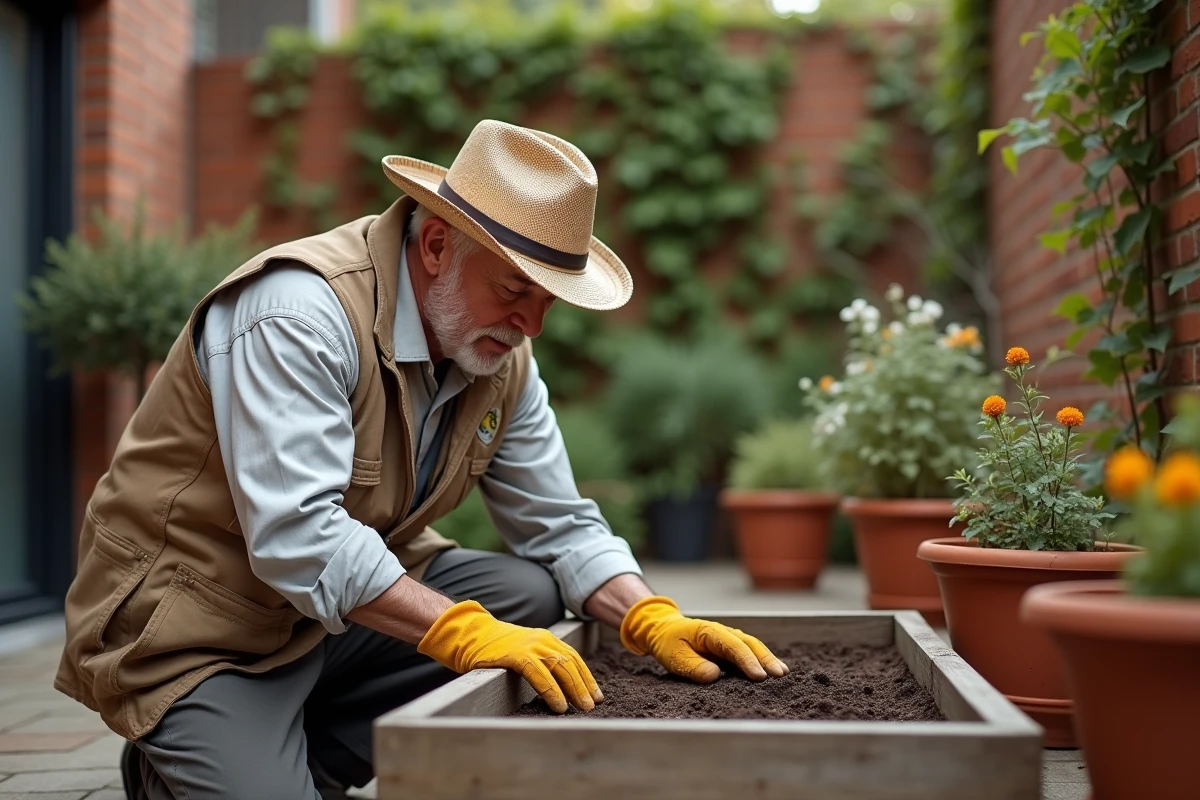
A nature-friendly vegetable garden starts with living soil. We enrich it with mature compost, well-decomposed manure, or a generous layer of mulch. These organic materials protect the earth from temperature fluctuations and slow down weeds. Natural fertilizers like comfrey tea or nettle manure stimulate growth without harming the environment.
To get the best from your soil, here’s how to integrate green manures into crop rotation:
- Mustard, phacelia, or clover improve soil structure and provide valuable nutrients.
- Crop rotation helps preserve fertility and contain diseases, while the variety of perennial and annual plants encourages biodiversity and stabilizes the ecosystem.
Optimizing water use involves installing a rainwater collector and setting up drip irrigation to target each plant precisely. Kitchen waste becomes a resource, transformed into compost that nourishes the soil without waste. Reclaimed materials prove valuable for making borders or planters, combining savings and respect for life.
To enhance the vitality of the vegetable garden, here are two simple actions to adopt:
- Install ladybug shelters or flowering strips to attract beneficial insects.
- Participate in a local seed library to exchange seeds and broaden the diversity of your crops without increasing purchases.
Every action counts: from the choice of mulch to water management, from crop rotation to material recovery, it is the sum of these attentions that forges a sustainable and generous vegetable garden, season after season. With hands in the soil, we shape a living, inventive plot that resembles no other.