In the world, the infestation of bed bugs is a growing concern, as these pests quietly settle into the intimacy of our homes. The solutions to eradicate this scourge are numerous, but their effectiveness varies. Yet, in the face of this threat, it is crucial to respond quickly and adequately to preserve the health and well-being of everyone. The following presents various means of eradicating bed bugs, from the most natural to the most chemical, from the most traditional to the most innovative. It is a guide designed to assist you in this fight against these unwanted invaders.
Origin of bed bugs: where do they come from and how do they spread
Origin of bed bugs:
To understand how to effectively get rid of bed bugs, you need to know their origin. These nocturnal insects have a history as old as time. Originally from caves where they fed on the blood of bats, bed bugs have gradually found refuge in our modern homes. Their proliferation has intensified over time due to travel, particularly with the rise of international tourism.
Unwitting travelers inadvertently bring these pests home through their contaminated luggage. Once settled in a new environment, bed bugs easily find refuge in bedding and upholstered furniture.
Whether you are a homeowner or a tenant, no one is immune to a bed bug infestation. It is essential to be vigilant to avoid an invasion that could quickly cause much more than physical and psychological discomfort.
In the next section, we will discuss the warning signs that can help identify the unwanted presence of these sneaky parasites.
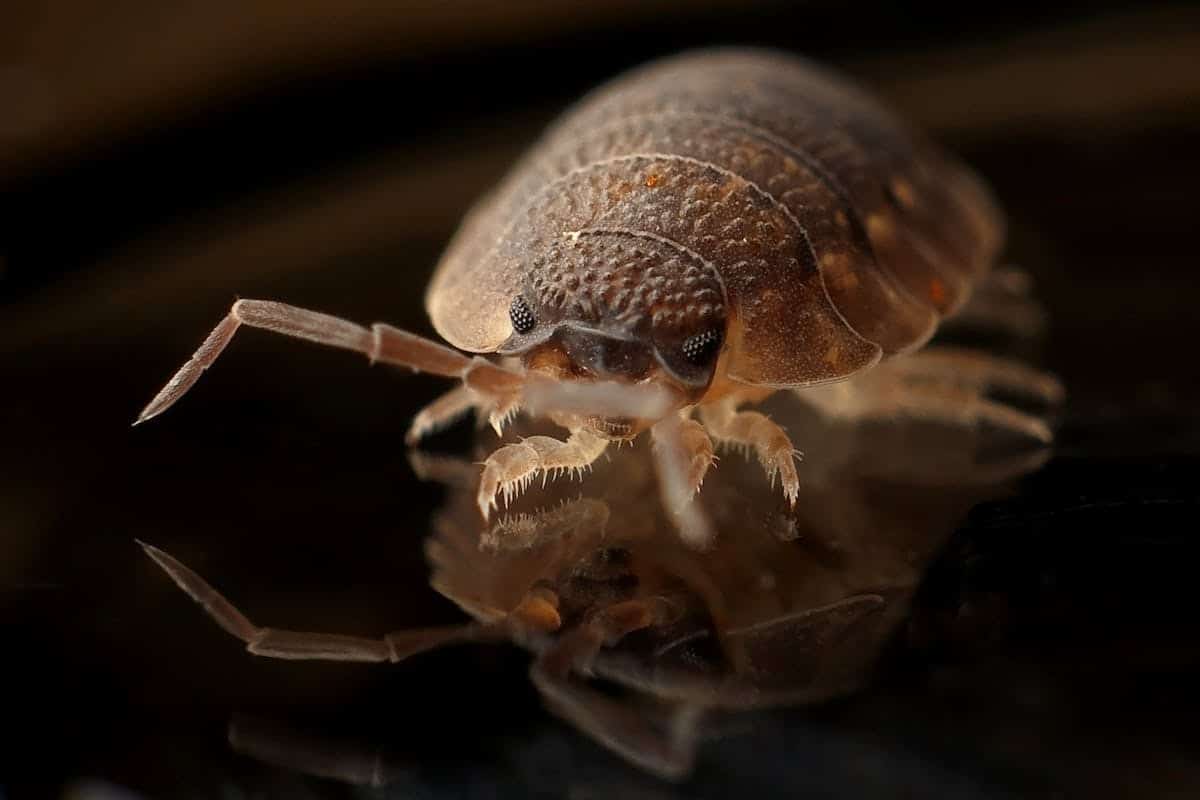
Signs of bed bug presence: how to spot them in your environment
Early detection of bed bugs is essential to avoid a massive infestation. These parasitic insects are known for their ability to hide in the most discreet places, making them difficult to spot. However, there are certain telltale signs that can alert you to their presence.
The sudden appearance of red bites on your skin can be a key indicator. Bed bugs feed on human blood at night, and their bites often resemble those of mosquitoes or fleas. Unlike mosquitoes, which bite quickly and usually disappear without leaving a lasting mark, bites from bed bugs can persist for several days or even weeks.
You may also notice the presence of droppings in the form of small black spots on your bedding or clothing. These droppings are actually digested blood that bed bugs excrete when they move or feed. You should be attentive to these signals as they may indicate a budding infestation.
Another characteristic sign is the presence of an unpleasant odor in your bedroom. Bed bugs secrete a chemical substance called alarm pheromone when they feel threatened. This substance emits a distinct musky odor that can resemble that of rotten raspberries. If you notice such a persistent smell, it is likely that an infestation is underway.
Bed bugs sometimes leave traces of their passage behind. This can include small dark spots on your bedding or mattress, caused by the accidental crushing of a blood-filled bug. They may also shed their skins when they molt and grow. These visual clues are a clear sign that bed bugs have found refuge in your home.
It should be noted that these signals are not exhaustive and may vary from person to person. Some may experience a severe allergic reaction to bites, while others may feel almost no physical discomfort. If you suspect the presence of bed bugs in your home, you should call a specialized professional in pest control to intervene quickly and effectively.
In our next section, we will explore in more detail the different methods available to permanently get rid of bed bugs without compromising your health or that of the environment.
Health risks: the impacts of bed bugs on your well-being and how to avoid them
Bed bugs can have harmful consequences for human health. Although their bites are generally not dangerous, they can cause allergic reactions in some individuals. The most common symptoms include intense itching, a rash, and sometimes even the appearance of blisters or vesicles.
It is important to note that the effects vary from person to person. Some individuals may be more sensitive to bed bug bites and experience more severe reactions. These adverse effects may manifest with a delayed response after the bite.
Beyond allergic reactions, psychological problems are also frequently associated with a prolonged infestation of bed bugs. Living in an infested environment can lead to stress, anxiety, and sleep disturbances. The constant fear of being bitten at night disrupts the rest necessary for our physical and mental well-being.
It should be emphasized that there is no known link between bed bugs and the direct transmission of serious infectious diseases to healthy humans. Unlike mosquitoes, which can transmit malaria or the Zika virus, bed bugs are not known vectors of similar diseases.
It is also worth mentioning the skin lesions resulting from excessive scratching. Bed bug bites can be irritating and provoke an irresistible urge to scratch, which can lead to bacterial infections.
Bed bugs have a negative impact on the overall quality of life of those affected by their presence. Beyond the physical and psychological problems mentioned earlier, they can also cause significant material damage by damaging furniture, textiles, and other personal items.
It is therefore crucial to act quickly as soon as you suspect an infestation to avoid these risks to your health and overall well-being. In the next section, we will explore different effective methods to eliminate these pests permanently while ensuring your safety and that of the environment.
Professional solutions: when and how to call in experts to get rid of bed bugs
When natural methods fail to effectively eliminate bed bugs, it may be necessary to call in specialized professionals. These experts have the knowledge and tools necessary to treat the infestation in a targeted and effective manner.
Professional heat treatment: This method involves exposing infested areas to high temperatures, usually above 50°C. Bed bugs are very sensitive to heat and die quickly when exposed to it. Professionals use specific equipment such as hot air generators or steam devices to heat contaminated surfaces.
Fumigation: Fumigation is a technique that uses an insecticide gas to eradicate bed bugs. It is often used in cases of severe infestation or when other methods have not been satisfactory. The intervention of a trained professional is necessary as these chemicals can be toxic if not handled properly.
The use of professional pesticides: Certified exterminators have access to a wider range of pesticides than those available to the general public. They can choose a specific product based on the level of infestation and the type of environment (residential or commercial) to effectively eliminate bed bugs while minimizing exposure to people present on the premises.
Prevention and monitoring: Professionals can also provide advice to prevent a new bed bug infestation. They will often recommend regularly inspecting high-risk areas, such as mattresses, bedding, and upholstered furniture. Periodic follow-ups can be established to quickly detect any signs of re-emerging infestation.
It should be noted that professional intervention can be costly, but it generally offers a faster and more effective solution compared to home methods. If you choose this option, be sure to select a specialized company with a good reputation and qualified technicians.
In the face of a persistent or severe bed bug infestation, it is advisable to call in a competent professional who can implement the appropriate solutions to eliminate these unwanted parasites.
Prevention and tips: how to avoid a bed bug infestation and protect your home
Now that you are aware of the methods to eliminate bed bugs, it is time to address prevention to avoid any new infestation. Here are some simple yet effective tips:
Carefully examine your luggage: When you travel, always thoroughly check your hotel room before unpacking your belongings. Inspect the mattress, sheets, and furniture seams for signs of infestation.
Wash your bedding regularly: Bed bugs can easily hide in sheets and mattresses. Be sure to wash your bedding regularly at a high temperature to kill any potential pests.
Use certified bed bug-proof covers: Invest in mattress and pillow covers specifically designed to prevent bed bugs from entering or escaping. This additional protection can greatly reduce the risk of an infestation.
Avoid clutter: Bed bugs love to hide in cluttered and overloaded items. Therefore, declutter your living space. Review your personal belongings, tidy up, and organize meticulously to limit potential hiding spots for these insects.
When buying second-hand: When purchasing second-hand furniture or clothing, carefully inspect them before bringing them into your home. Bed bugs can easily hide in them and spread quickly.
Seal cracks and openings: Bed bugs can slip through small crevices and gaps in your walls, floors, and furniture. Therefore, make sure to carefully seal all cracks and block any potentially accessible openings to prevent their intrusion.
Education and awareness: Be sure to share these tips with your friends, family, and neighbors so they can also adopt a proactive approach to preventing bed bug infestations. Raise awareness and inform those around you to create a safer collective environment against these unwanted parasites.
By following these recommendations, you can significantly reduce the risk of a bed bug infestation in your home. If despite all your preventive measures you notice inconclusive signs of an infestation, do not hesitate to act quickly using one of the previously mentioned natural remedy techniques or by calling in specialized professional services that can effectively address this pest nuisance. Through an appropriate combination of curative treatments and measures to prevent recurrence, you can regain the tranquility you need in your home.