
After a hearty meal or a period where the diet has been richer than usual, one sometimes feels a diffuse heaviness, a less radiant complexion, and slowed digestion. The reflex to turn to fruits for digestive comfort is based on concrete mechanisms: fiber, water, antioxidant compounds. However, discussing detox fruits to purify the body requires a precise starting point regarding what science really says about this notion.
Detox and fruits: what nutritional research really says
You may have noticed that the word “detox” appears on juice packaging, dietary supplements, and weight loss programs? However, the National Nutrition and Health Program (PNNS 4) and Public Health France never mention the notion of detoxification through fruits.
Official French recommendations emphasize the daily consumption of fruits and vegetables to reduce cardiovascular risk and type 2 diabetes. No official document speaks of toxin elimination by any particular fruit. The liver and kidneys already perform this continuous filtration function.
This observation does not render fruits useless; quite the opposite. Their fiber, water content, and polyphenols support the natural work of these organs. When we talk about the best detox fruits, we are actually referring to those whose nutritional composition facilitates digestion, hydration, and cellular protection.

Citrus fruits and flavonoids: a measurable effect on blood lipids
Lemon is the first fruit mentioned in almost all articles about detox. But why it rather than another citrus? The answer lies in its flavonoids, particularly hesperidin and naringenin.
These compounds have been studied for their effects on blood lipids and blood pressure, as reported in a review published in Critical Reviews in Food Science and Nutrition in 2023. Citrus flavonoids affect the lipid profile, not a hypothetical toxin elimination. The interest in lemon, grapefruit, or orange lies here: documented support for the cardiovascular system by research.
How to make the most of citrus fruits daily
The idea of a glass of lemon water in the morning is circulating everywhere. It is not magical, but it combines two useful effects: morning rehydration and a vitamin C boost right upon waking. Consuming the whole fruit (or in wedges in a salad) also allows one to benefit from the fiber in the pulp, which the filtered juice no longer contains.
Grapefruit deserves a mention: its naringenin is present in a higher concentration than in other citrus fruits. However, be cautious of known drug interactions with this fruit, especially for people on cholesterol or hypertension medication.
Berries and antioxidants: reducing inflammation rather than purifying
Raspberries, blueberries, blackberries: these small fruits concentrate anthocyanins, pigments responsible for their intense color. Research is interested in their ability to reduce certain markers of systemic inflammation rather than a direct role in liver purification.
Berries act on inflammation, not on hepatic detoxification. The distinction matters. A diet rich in berries helps limit cellular oxidative stress, which protects tissues in the long term. This is not a one-time cleanse, but continuous support.
Fresh, frozen, or dried: which format to choose
Frozen berries retain almost all of their polyphenols, as freezing occurs quickly after harvest. Dried berries concentrate sugars and lose some of their water and vitamin C content. For regular use in the diet:
- Fresh seasonal berries offer the best nutritional and taste profile, ideal in spring and summer
- Frozen berries are a reliable alternative year-round, convenient in a smoothie or porridge
- Dried berries are suitable as snacks, but their caloric density is significantly higher at equal volume
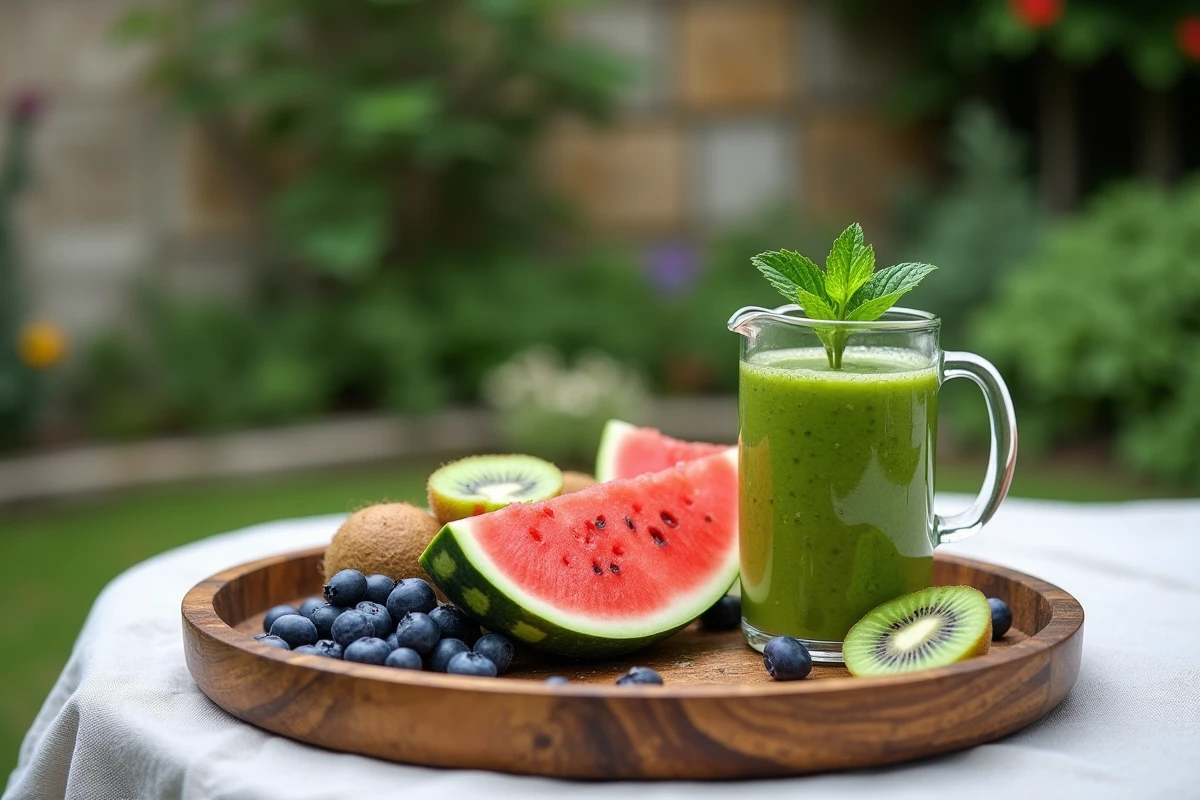
Apple and kiwi: two fruits with documented digestive effects
The apple contains pectin, a soluble fiber that forms a gel in the digestive tract. This gel slows the absorption of fats and sugars, which explains its frequent association with balanced diets. Apple pectin facilitates transit without a harsh laxative effect.
The kiwi has been the subject of randomized clinical trials on functional constipation. Results show a significant improvement in transit for those suffering from this disorder. Unlike many laxative solutions, kiwi acts mechanically through its fiber content and actinidin, an enzyme that helps break down proteins.
Combining these fruits for a complementary effect
An apple for breakfast and a kiwi at the end of lunch cover two different mechanisms: pectin that regulates absorption, and actinidin that facilitates protein digestion. This simple combination requires neither a cure nor a specific program.
Detox fruits: building a habit rather than a cure
The idea of a three-day detox cure is appealing because it promises quick results. The real benefits of fruits on the body come from regular consumption, not from a one-time effort followed by a return to old habits.
The useful mechanisms (fiber for transit, polyphenols for cellular protection, water for hydration) work through daily accumulation. Here are the criteria for prioritizing fruit selection:
- Favor whole fruits over juices to retain fiber and limit glycemic spikes
- Vary colors throughout the week: each pigment corresponds to a different family of antioxidants
- Choose seasonal fruits and, if possible, organic, to limit exposure to pesticide residues
- Consume at least one portion of raw fruit per day, as cooking degrades part of the vitamin C
Regularity matters more than the intensity of a cure. Two portions of varied fruits each day provide more to the body than a week of detox juice followed by two months without fresh fruit. The body does not need to be purified occasionally: it needs continuous support through a suitable diet.